


 Global









Common-mode inductors are inductive components used to suppress common-mode interference in circuits. Common-mode interference refers to interference signals that simultaneously affect both signal lines (positive and negative) in a circuit, typically injected from external electromagnetic interference sources.
When selecting a common-mode inductor, the following factors should be considered:
1. Frequency Range: The frequency response of the common-mode inductor must cover the frequency range of the interference signals to be suppressed.
2. Rated Current: The rated current of the common-mode inductor should be greater than the maximum common-mode interference current in the actual application.
3. Inductance Value: The selection should be based on the inductance value of the common-mode inductor in its linear region, generally meeting the requirements for suppressing common-mode interference.
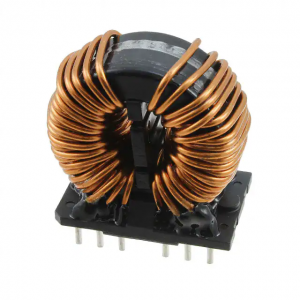 When selecting a common-mode inductor for switching circuits, the following additional factors should be considered:
1. Frequency Range: The frequency range of the common-mode inductor must cover the switching frequency range.
2. DC Resistance: The DC resistance of the common-mode inductor should be as low as possible to avoid excessive power loss.
3. Size: Smaller sizes are preferred to meet the requirements of modern electronic devices.
4. High-Frequency Performance: The self-resonant frequency of the common-mode inductor must be sufficiently high to avoid unnecessary oscillations in high-frequency switching circuits.
In summary, selecting a common-mode inductor requires a comprehensive consideration of factors such as frequency range, rated current, inductance value, size, and high-frequency performance to meet the requirements of specific applications.
 Hot News


 沪公网安备31011702889749号

