


 Global









The company's inductor POC 3225 series has undergone research and development, and preparations for mass production. This product, officially launched in February 2025, is specifically designed for advanced driver assistance systems (ADAS) and in-vehicle camera networks. With a compact size of 3.2mm×2.5mm, it achieves industry-leading wideband performance and high reliability, contributing to lightweight automotive wiring harnesses and high-speed data transmission
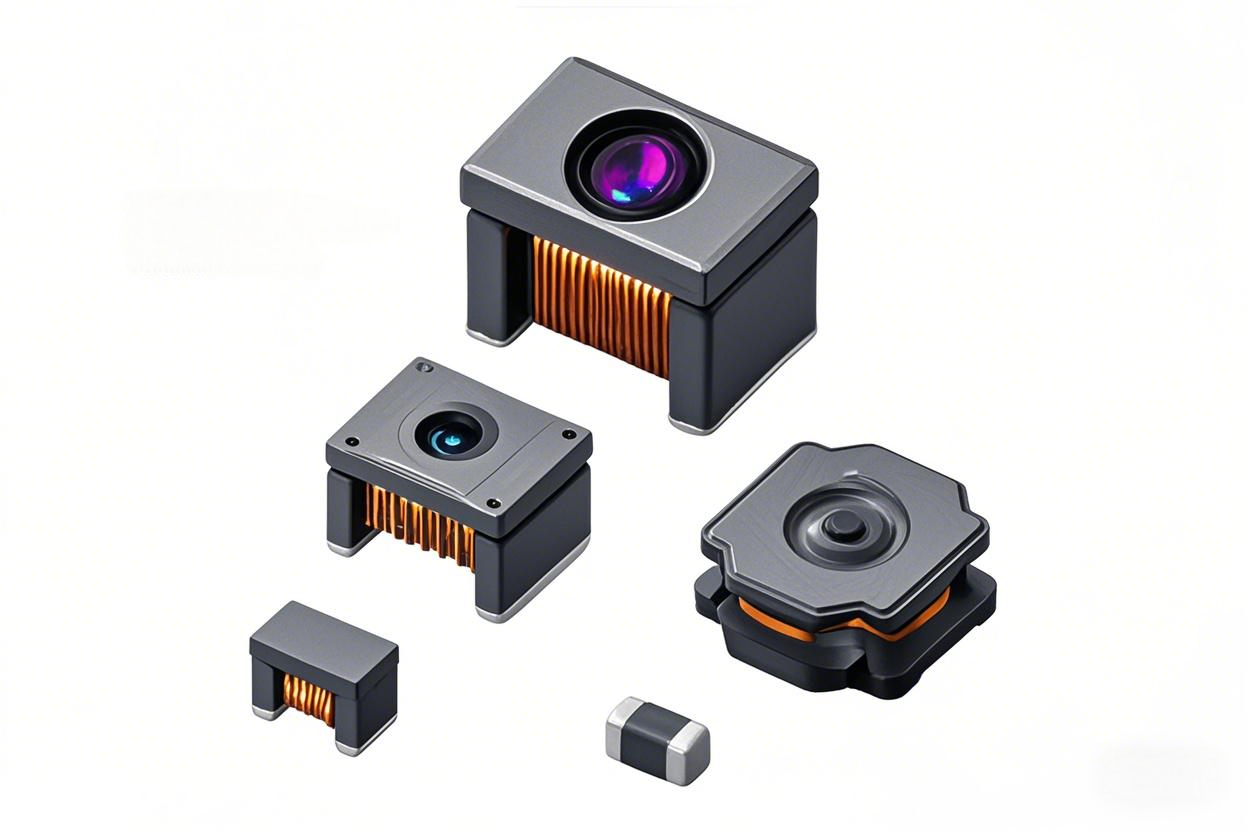
The POC 3225 series adopts an innovative dual-winding structure design, achieving stable high impedance within a wide frequency band from 1MHz to 1GHz. It effectively isolates video signals (up to 1.5Gbps) from power supply currents, solving the spatial redundancy issue of traditional multi-inductor combination schemes. By optimizing magnetic circuit distribution and low-loss winding technology, it supports extreme operating temperatures ranging from -55℃ to +155℃, meets AEC-Q200 automotive-grade certification, and can withstand harsh vibration, shock, and temperature variation environments
Future outlook: Taking inductance as the anchor, deeply cultivating the "nerve endings" of intelligent vehicles
 Hot News


 沪公网安备31011702889749号

