


 Global









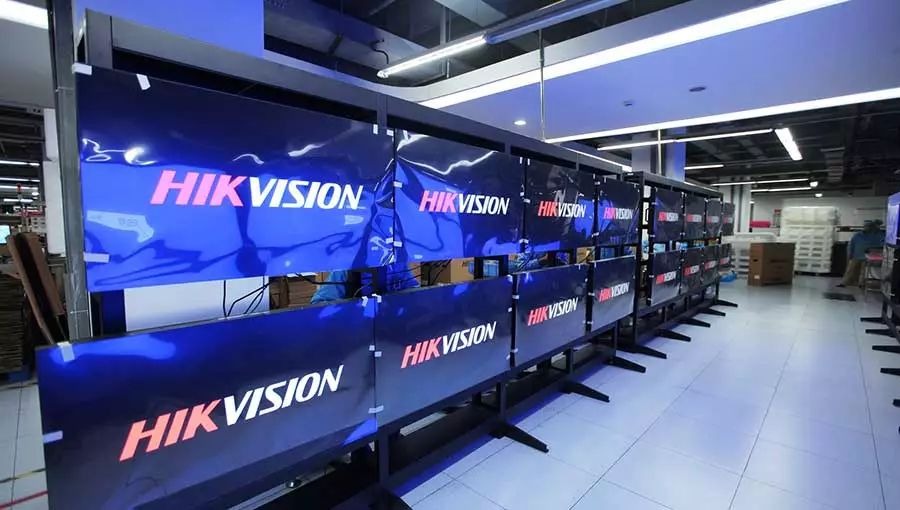
On Wednesday Beijing time, U.S. media reported that the United States is considering placing five Chinese companies, including Hangzhou Hikvision Digital Technology Co., Ltd. and Zhejiang Dahua Technology Co., Ltd., on a "blacklist" similar to Huawei's, preventing these companies from accessing U.S. technology, components, and software, further expanding the scope of its actions against Chinese enterprises.
I must point out clearly: the United States is increasing pressure on China in an attempt to force decisive concessions in trade negotiations. But let me say, this is wishful thinking. If the U.S. is truly determined, let's see whether China's IT and related industries will be completely paralyzed, or whether those American chip companies will collapse one after another.
U.S. media also reported on the 21st that the U.S. government had discussed placing Huawei on the blacklist for months but previously shelved the plan due to concerns about disrupting trade negotiations with China. After the talks reached a stalemate, the U.S. swiftly took action. However, due to causing large-scale market disruption and affecting multiple American companies, the U.S. Department of Commerce then made a partial exemption adjustment for 90 days. Some U.S. officials expressed concern that the White House might revoke the executive order against Huawei to facilitate negotiations with China.
Washington harbors both long-standing grievances and short-term tactics toward Chinese companies like Huawei. For instance, its long-standing grievance against Huawei stems from its unwillingness to see a Chinese company lead 5G network technology, prompting it to vigorously suppress Huawei's development worldwide. Its short-term tactic is to use pressuring Huawei as leverage to force China into making concessions in trade negotiations and to challenge China's resolve in upholding its principled bottom line.
I want to say that right-wing political elites in the U.S. have no intention of accepting any non-American company leading major cutting-edge technologies. Even if a European or Japanese company became a prominent leader in 5G technology, they would likely find ways to create difficulties.
Ren Zhengfei stated at a press conference on Tuesday that they had long foreseen that to become world leaders, Huawei must be prepared to confront the United States at the "summit." Engaging in extreme maneuvering against the hegemonic mindset prevalent among some in the U.S. is Huawei's destiny.

To ultimately become an unshakable leader in the world's communication technology field, Huawei must break through barriers formed by the advantages of U.S. national power. Ren Zhengfei's media remarks on Tuesday were interpreted by The Washington Post as showing his disdain for the U.S. government's efforts to hinder Huawei's global operations.
As for using Huawei as leverage to pressure China, it will be even less effective. This move by the U.S. cannot even break Huawei's will, let alone intimidate China. As a country, and a major one at that, China certainly has much greater room for maneuver than a single company. Beijing has even more reason to treat Washington's threats with contempt.
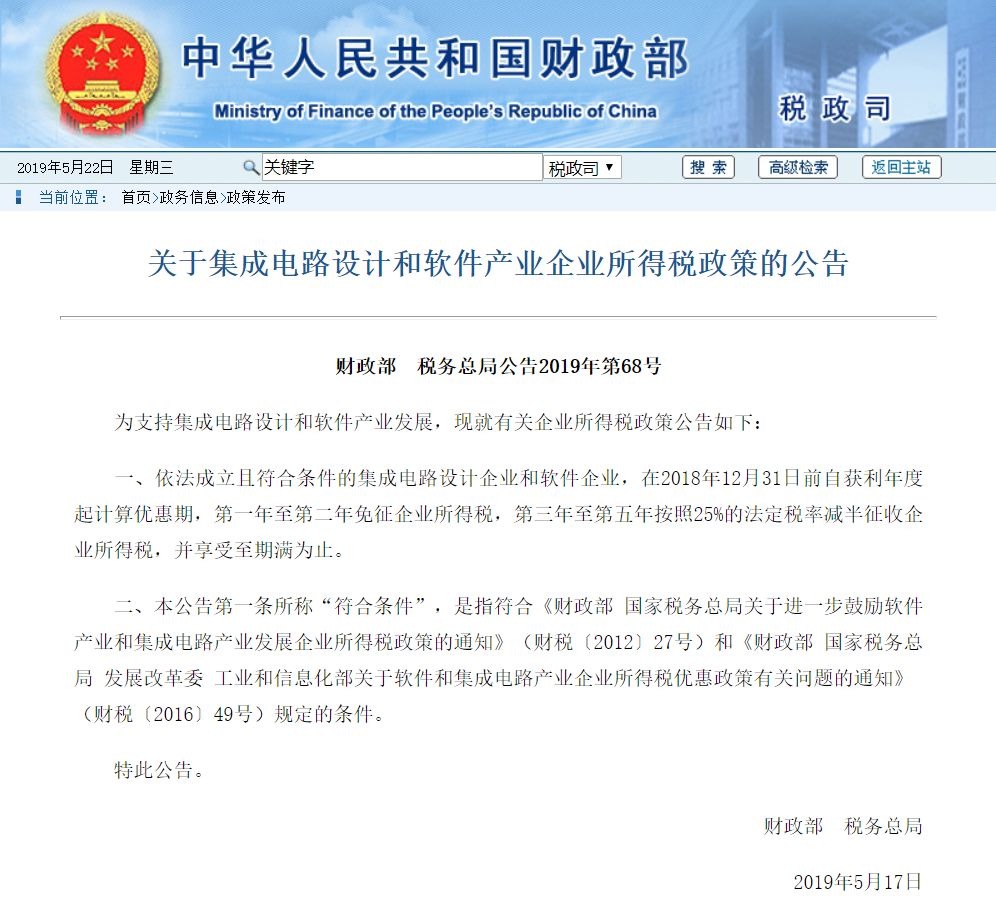
I believe that the U.S. cutting off chip supplies will bring temporary difficulties to relevant Chinese companies, but those companies and the entire nation must have the resolve to bravely overcome this hurdle. On Wednesday, China's Ministry of Finance announced that profitable integrated circuit design and software enterprises will be exempt from corporate income tax for the first two years, with a 50% reduction from the third to the fifth year. I give a big thumbs-up to this decision—it is a genuine move by China to counter the U.S.-initiated trade war by focusing on its own affairs. I believe this measure sends a chill down the spine of the U.S. semiconductor industry more than anything else.
The state has fully assessed the difficulties caused by U.S. pressure. The public can rest assured that these issues will not affect our telecommunications and network lives. The nation's progress will race against time, and China has the capability to overcome the mountain of U.S. blockade. This is a moment of temporary difficulty for China's IT industry, but also a moment when the U.S. prematurely sounds the death knell for the absolute global dominance of its semiconductor industry. Excerpted from Global Times.
 Hot News


 沪公网安备31011702889749号

