


 Global









The BBC recently learned from a document purported to be an internal notice from ARM that SoftBank's renowned chip designer ARM may also have been drawn into the dispute between Huawei and the U.S. government. According to reports, ARM has instructed its employees in the notice to "suspend all ongoing contracts, support authorizations, and ongoing negotiations (with Huawei)," citing the reason that the U.S. Department of Commerce has placed Huawei on the Entity List. Although ARM is a British company, the notice states that it uses "technology originating from the United States," thus making the U.S. government's ban applicable to them as well.
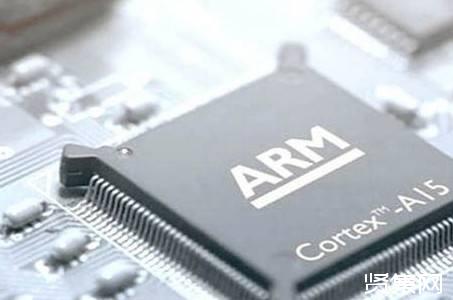
As per the requirements mentioned in the notice, ARM employees will be prohibited from "providing support, delivering technology (including software, code, or other updates), participating in technical discussions, or engaging in technical exchanges with Huawei, HiSilicon, or other related entities." These regulations also extend to ARM's employees in China. An ARM employee, in an interview with the BBC, admitted uncertainty about whether the suspension would be lifted after the U.S. granted Huawei a 90-day temporary license. The only certainty is that ARM "will currently comply with all the latest regulations announced by the U.S. government."

Considering that Huawei's flagship Kirin chips are developed based on technology authorized by ARM, some analysts have bluntly stated that ARM's decision will "create an insurmountable obstacle for Huawei." In practical terms, if the situation remains unchanged, Huawei will indeed be unable to use ARM's newly released products in the future. However, technically speaking, Huawei can still utilize the permanent licenses it has already purchased from ARM. Despite potential issues with instruction set updates and other aspects, Huawei might still manage to innovate independently under extreme circumstances.
Many analysts point out that since Huawei has permanently licensed the ARMv8 architecture, there will be little impact in this regard.
ARM's response to this matter is: "It is inconvenient to comment; the company complies with U.S. laws."
 Hot News


 沪公网安备31011702889749号

