









The main differences between unipolar power diodes and bipolar power diodes lie in their distinct structures and operating principles.
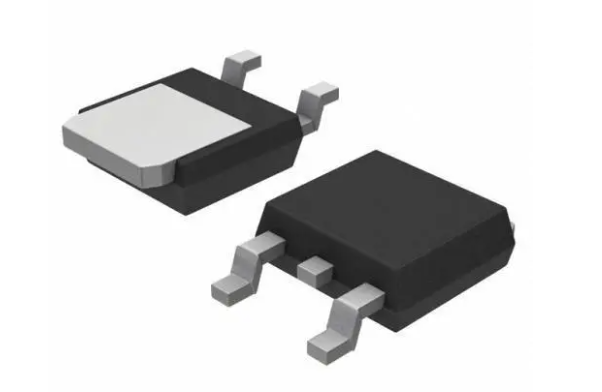
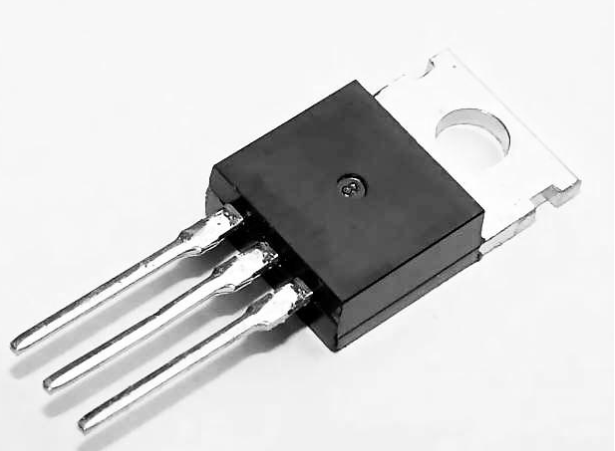
- In terms of primary applications, unipolar power diodes are commonly used in high-frequency applications such as switching power supplies and inverters, while bipolar power diodes are mainly employed in rectification, driving, and protection circuits in power electronics applications.
- Regarding device figure of merit, unipolar power diodes typically feature lower forward voltage drop and faster switching speeds, making them suitable for high-frequency applications. Bipolar power diodes, on the other hand, often offer higher reverse voltage tolerance and greater current handling capacity, making them suitable for high-power applications.

In summary, unipolar power diodes and bipolar power diodes differ in structure, operating principles, applications, and device performance. The appropriate device should be selected based on specific application requirements.


